YouTube has a graveyard nobody talks about. There are millions of dead channels, and a surprising number of them belong to genuine experts: financial advisors, lawyers, bestselling authors. These are really great people, full of knowledge and wisdom. And yet when they post on YouTube, 9 times out of 10 they fail. The platform feels unnatural to them, and success on it feels out of reach.
Their conclusion is usually the same: "YouTube doesn't work for people like me. This platform is for influencers and entertainers." I am here to tell you that the diagnosis is wrong. I have worked with over 30 clients at this point, and the pattern behind these dead channels is so consistent it makes you think we are living in a simulation. Experts fail on YouTube for the same handful of reasons, every single time. Let us look at the mistakes and then talk about the solution.
Whenever an expert is invited to an event, somebody introduces them before they even say a word. Their background, their track record, their numbers. Before they start speaking, the whole room is leaning in to listen to their opinions.
Now watch what happens when they post on YouTube. Nobody introduces them. The viewer doesn't know them and doesn't care. And their thumbnails don't do the job of getting attention either, because they usually make those themselves.
This is the mistake almost every expert makes. They start filming assuming their credibility will carry them on YouTube as well. Unless you are already extremely popular, it will not. On YouTube you are a stranger to every viewer, every time, until your videos prove otherwise. And until you accept that, you will keep blaming the algorithm. The algorithm will keep not caring.
An 18-year-old gamer can film from his garage and it is okay. That is his brand. You, however, are an expert. If your background looks like a hostel and your lighting looks like an interrogation room, the viewer's brain makes a quiet decision about you before you have made your first point. There is a gap between what your expertise says and what your video says, and the viewer feels it, even if they cannot name it.
I have a task for you. Open YouTube in a new tab and scroll for 10 seconds. You just made around 30 decisions about what not to watch. 30 videos someone spent days making, rejected in the blink of an eye. And you made every one of those decisions by looking at nothing but the thumbnail and the title.
Experts put a lot of effort into filming the content and leave the title and thumbnail as an afterthought. You have to realise that if the audience doesn't click on your video, they will never know how awesome it was. Everything you created as a video lives downstream of the packaging.
The next mistake I see experts make is that they deliver their expertise like a lecture. That is not bad in itself. What is bad is that it usually makes the video boring.
Delivering information while speaking to a camera is a skill. You must make friends with the camera and deliver information in a way that feels personal. Include personal stories, transformations you brought about for your clients, snafus that happened along the way, and so much more. Rather than just delivering information, think about providing a transformation.
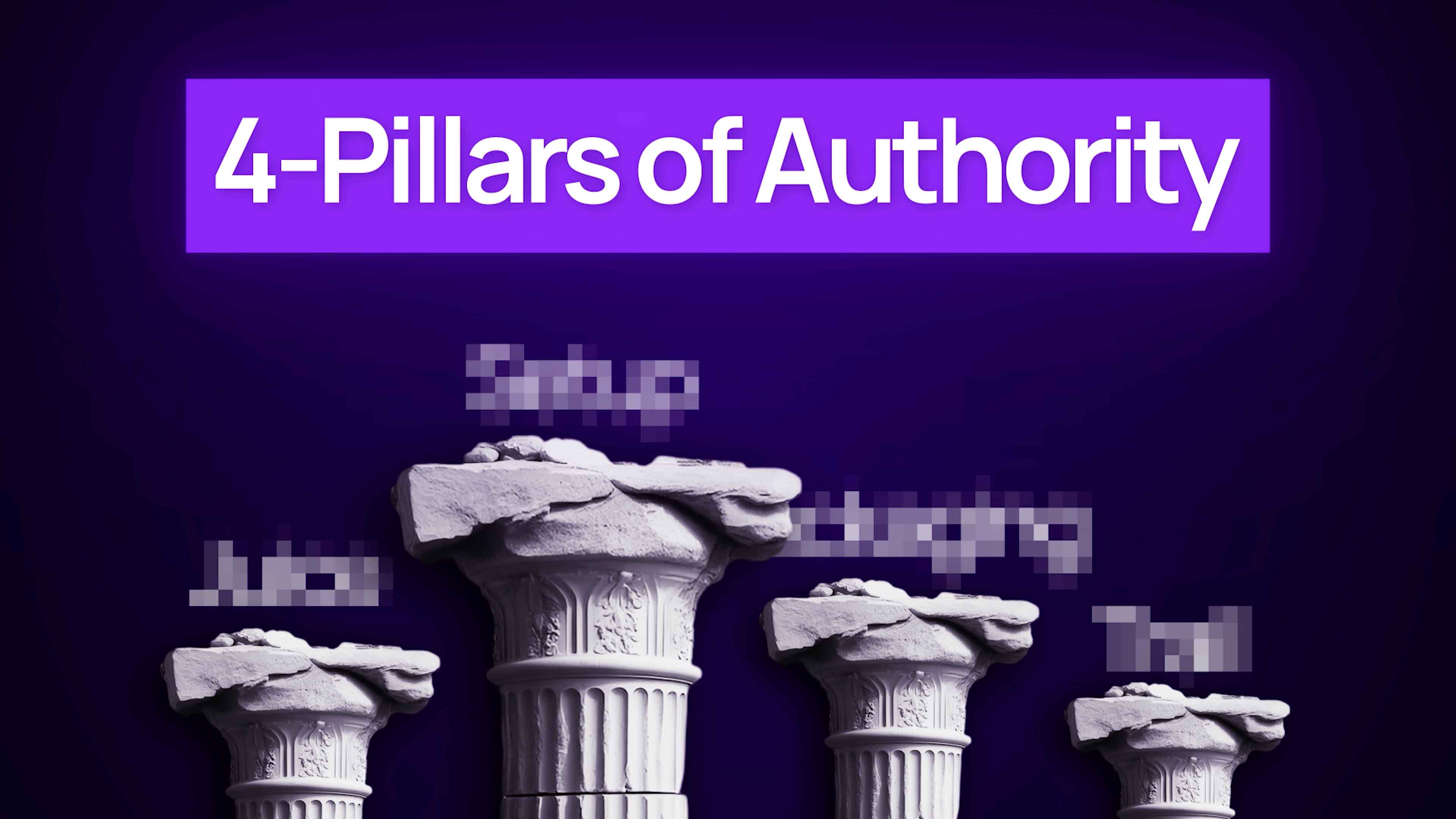
There is a framework I use with my clients called the Four Pillars of Authority. It is how an expert rebuilds, on YouTube, the authority they already have in the conference room, without turning into an influencer. I made a video where I go through all four pillars in depth. Have a look by clicking below:
Expertise does not transfer to YouTube on its own. The experts who win are not necessarily more talented than the ones who fail. They are the ones who stop expecting their credentials to do the talking and start earning the attention of strangers, video after video.
If your channel is stuck and you know your content is solid, this is exactly the problem we solve at Anandwelle. Click here to fill in your information and book a discovery call.